For achieving low levelized cost of hydrogen (LCOH)

A DISRUPTIVE TECHNOLOGY is needed for Green hydrogen production
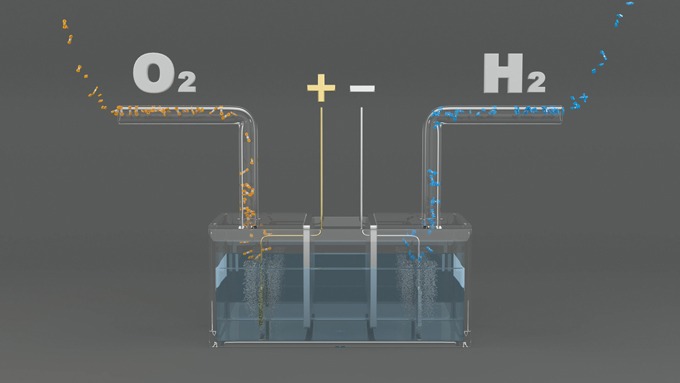
Anion exchange membrane electrolysis would be a game changer for cheaper Green Hydrogen

Comparison of Hydrogen electrolyzers technology based on LCOH

Alkaline Water Electrolysis (AWE) and Proton Exchange Membrane Water Electrolysis (PEMWE) are the two primary methods for hydrogen production in commercial use nowadyas. However, PEM electrolzer technology still not yet matured and Solid Oxide Water Electrolysis (SOWE) systems remain in the early R&D stage.
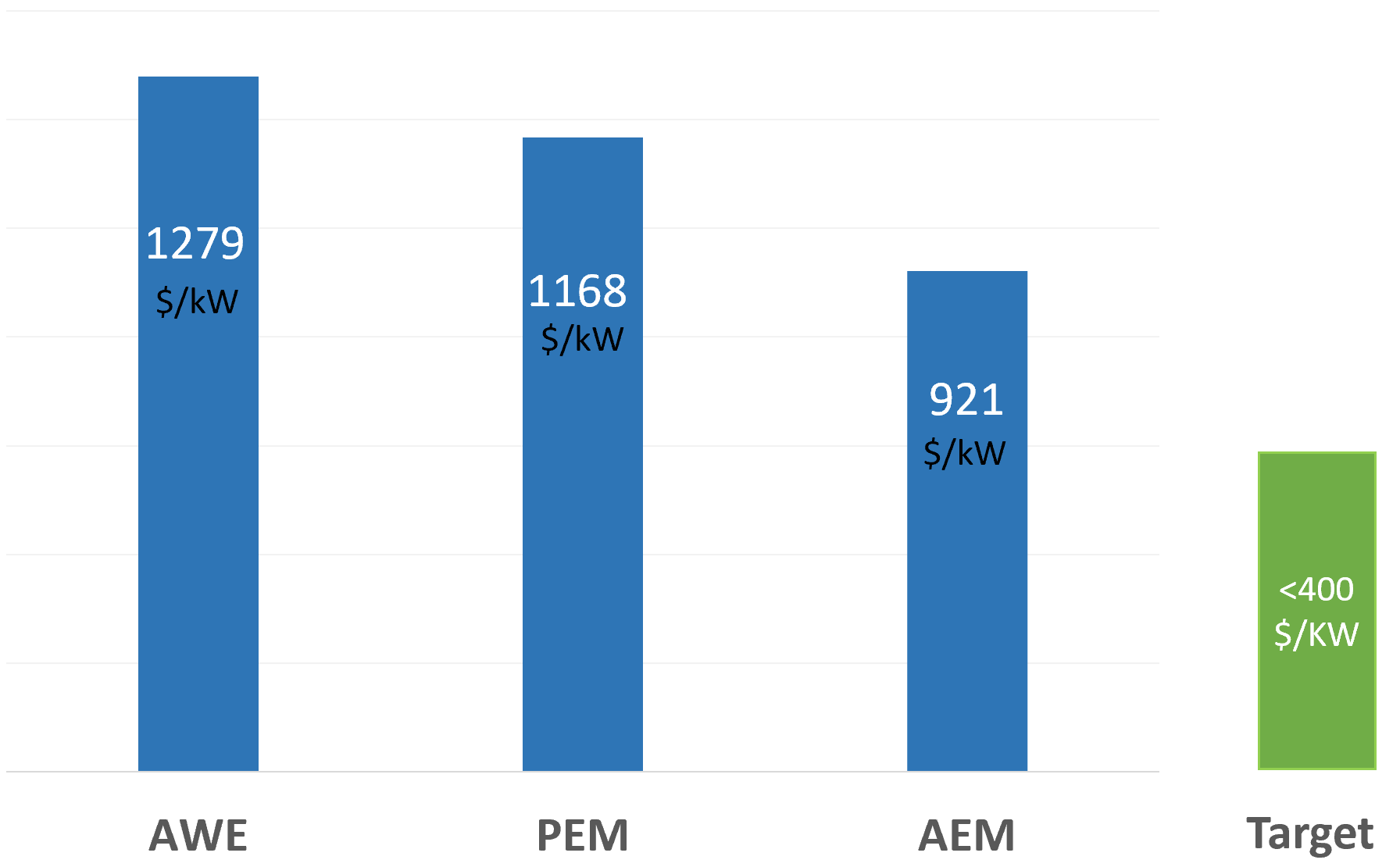
Lowest the cost of electrolytic hydrogen is possible with the advance of AEMWE technology and achieve the ultimate target set by by DoE i.e <400 USD/kW .

Due to the large internal resistance incurred across the thick porous diaphragm and liquid electrolyte employed, Alkaline Water Electrolysis (AWE) normally operates at low current density (< 0.5 A/cm2) and low efficiency.

These inherent problems associated with alkaline water electrolysis can be resolved by introducing a high performance and durable anion exchange membrane.

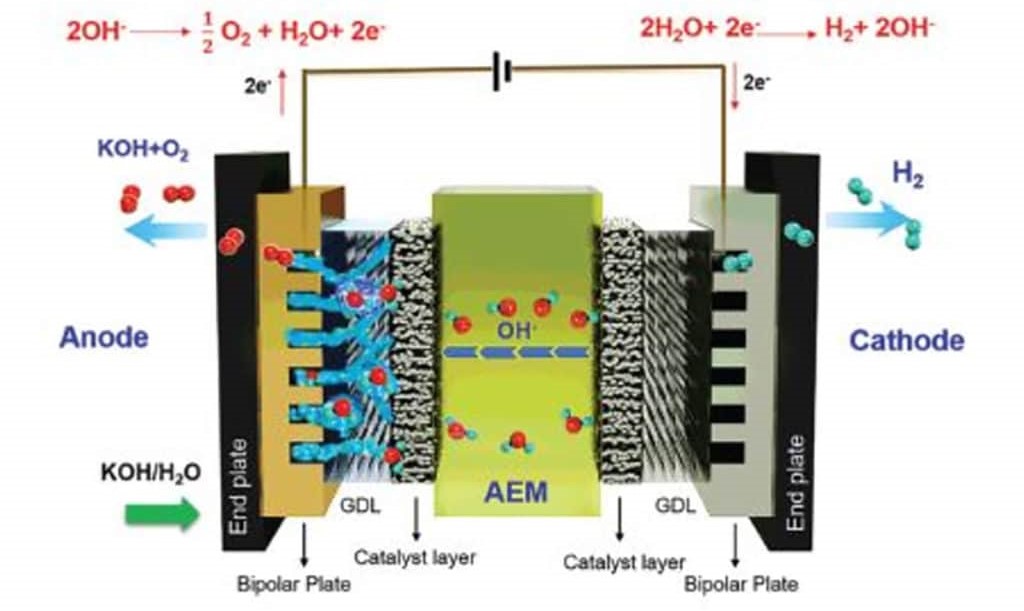
How AEM electrolysis works

Anion exchange membrane (AEM) electrolysis is the electrolysis of water that utilises a semipermeable membrane that conducts hydroxide ions (OH−) called an anion exchange membrane.

The AEM water electrolyzer consists of a membrane electrode assembly (MEA) consisting of an anode for OER, a cathode for HER, anode/cathode bipolar plates and AEM membrane.

H2Atoms' Modular AEM electrolyslzer


AEM Cell

10kW

PoC by 2025

100 kW

By 2027

Modular System

Uses

Mobility
Thanks to technologies like the fuel cell, green hydrogen is being used in transport, providing a sustainable mobility alternative.
Ammonia (Fertilizers)
More than half of all produced hydrogen is consumed in ammonia plants. Ammonia’s potential as a carbon-free fuel, hydrogen carrier, and energy store represents an opportunity for renewable hydrogen technologies to be deployed at an even greater scale.
Methanol
Replacing methanol with E-methanol has tremendous downstream benefits since it has large scale use in the chemical industry
Iron
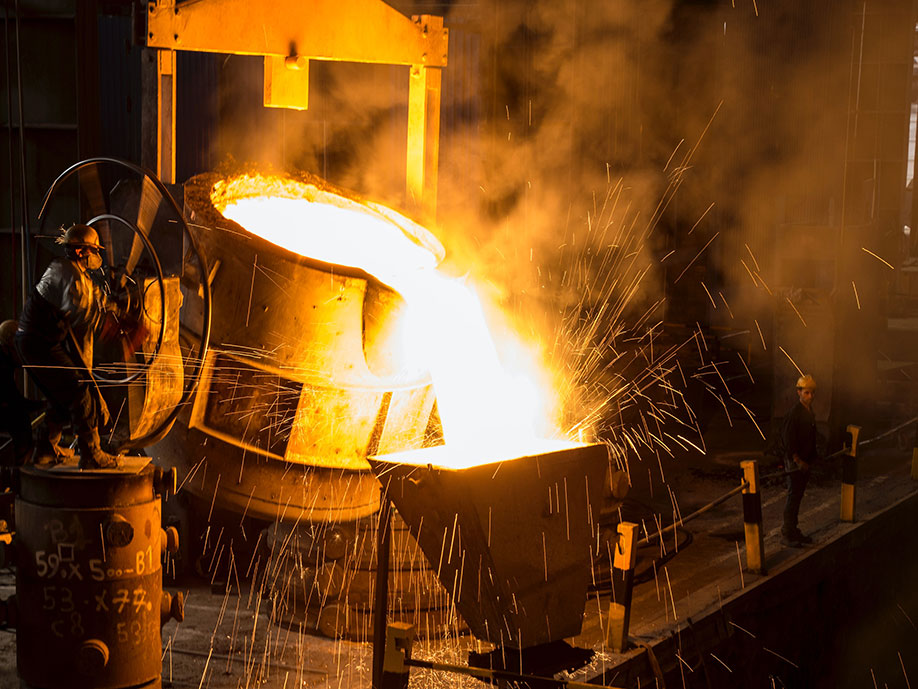
Reduction of iron with green hydrogen is a massive decarbonization opportunity to produce green steel
Mining
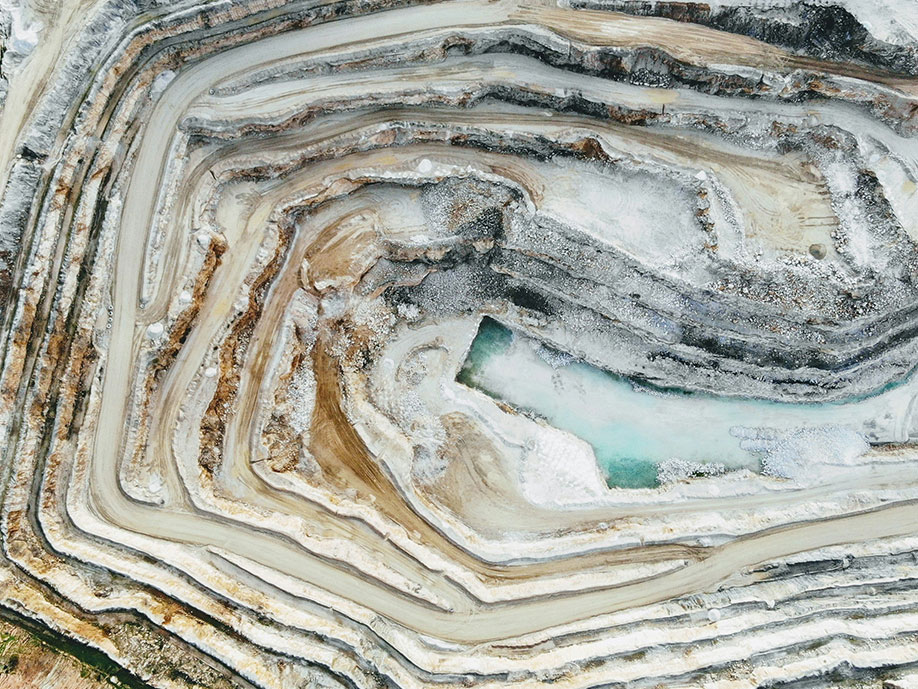
Use of heat from green hydrogen heat in mining and explosives can have a massive impact in decarbonizing multiple industry sectors dependent on mining.
Power
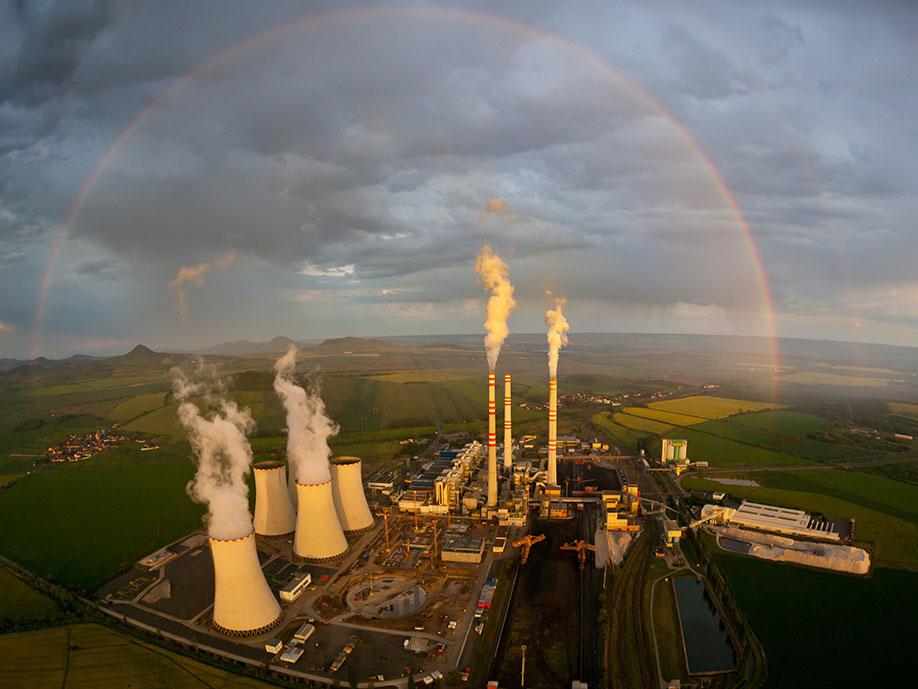
Green hydrogen can act as a means of storing excess electricity. Green hydrogen for power as gas injected in dedicated pipelines, blended with natural gas, and fed into a gas turbine or fuel cell.